
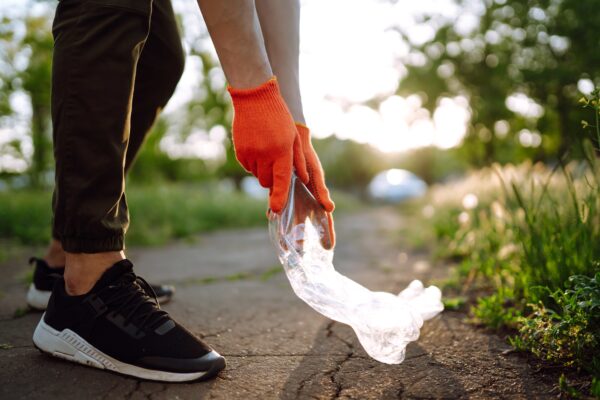
Plogging is not just about moving around and picking up trash; it’s also a useful way for people to learn about their surroundings while getting exercise. It links what people do every day with what they see, what they are responsible for, and what they do over and over in public places. Plogging is a way to learn about the environment without lessons, campaigns, or instruction.
Learning by Doing in Public Places
You learn about the environment by being in real–life situations when you plog. People who pick up trash can see what kinds of trash are most common and where they tend to collect. You don’t need to explain this observation; it happens naturally when you move. Picking up trash makes pollution seem more real.
Public places are like classrooms that are open to everyone. People have an impact on the environment by building streets, parks, and paths. People see things like trash near bus stops, benches, or natural borders. We learn through experience rather than through information when we see things happen over and over again.
It takes a long time to learn. It doesn’t depend on remembering facts; it depends on being able to recognize them. People learn more about how trash moves through shared spaces and how long it stays there if no one picks it up.
Being aware of how you eat and throw things away
When people plog, they often think about how they act. People start to connect the types of trash they throw away with the things they use every day when they pick up packaging, bottles, or wrappers over and over again. There is no talking or teaching that makes this link happen. Repetition makes it clear what using a product does to the environment.
The activity doesn’t directly try to change how people act. It lets awareness grow on its own. People might start to notice how often certain things show up and where trash cans don’t work. This information can change the decisions that are made later, but the activity itself stays the same.
Plogging turns trash into something more than just something on the ground. People see it as part of a bigger system of using, throwing away, and ignoring things.
Informal Learning for People of All Ages
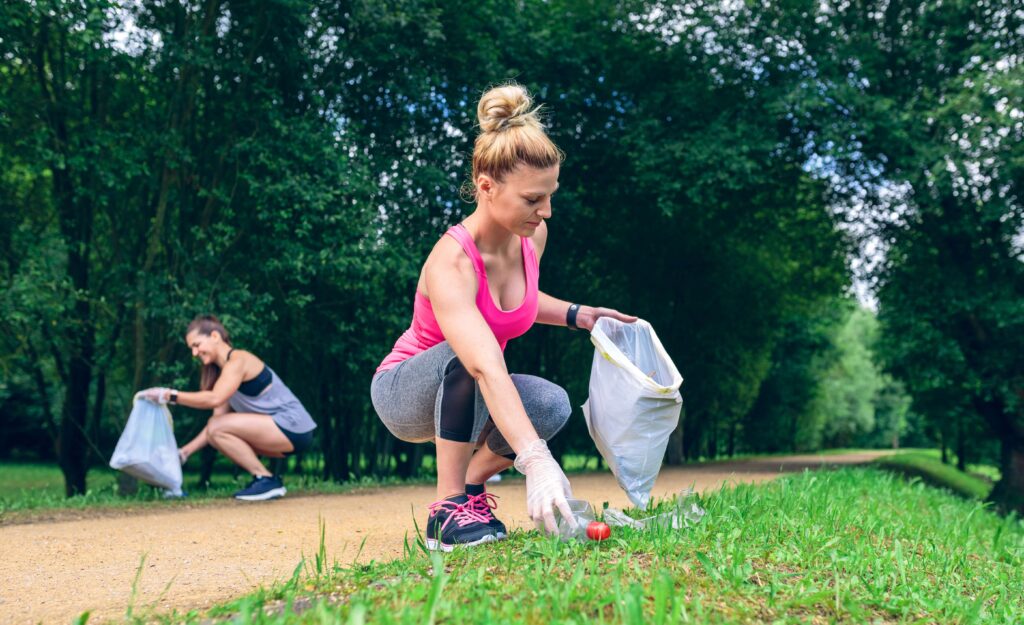
People of all ages can do plogging, which means that people of all ages can learn from each other. People of all ages, including kids, adults, and seniors, are doing the same thing in the same place. Learning does not rely on age–specific instruction. Everyone does the same thing and sees the same things.
Plogging teaches younger people about shared responsibility early on. For adults, it strengthens awareness that is already there but often goes unnoticed. Older people may be able to link the way things are now with how they have changed over time. This mix helps people understand things in layers without having to teach them.
It’s important that there is no hierarchy. No one teaches or corrects behavior. People learn by doing things together and seeing the results in the world around them.
How Movement and Attention Are Related
Movement is an important part of how awareness grows while plogging. Walking or jogging makes you slow down enough to notice the little things. The rhythm of stopping and going over and over again makes you pay more attention to the ground and the area around you. This pattern teaches you how to observe without even trying.
Participants are always looking around because the activity requires them to look for trash. This scanning changes how people see space. Areas that used to be ignored become clear and familiar. People remember where trash usually is and where things stay clean over time.
This link between movement and attention helps learning that stays useful. The body and mind work together on a simple task that makes you more aware by doing it over and over again.
Building a sense of environmental responsibility
Responsibility in plogging comes from doing things, not from being told to do them. Participants choose to pick up trash because they see it, not because someone tells them to. This choice strengthens a sense of agency linked to location.
The duty is still limited and realistic. People don’t try to fix big problems. They concentrate on what can be accomplished while in motion. This balance keeps people from getting frustrated and encourages them to keep going.
As time goes on, cleaning up becomes a part of how people interact with public spaces. People see responsibility as a normal part of life, not as work.
Value for learning without messaging
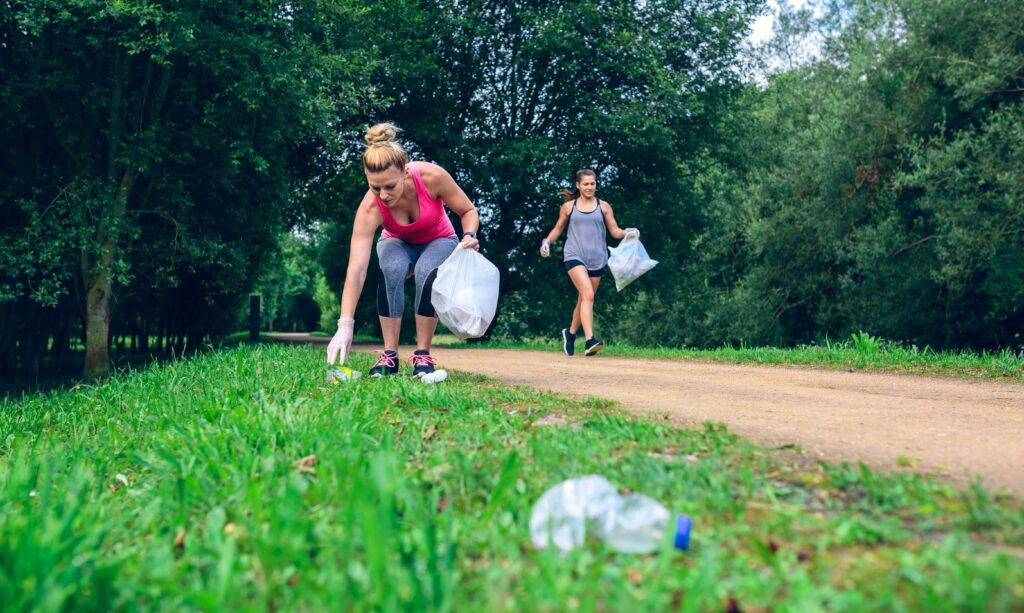
Plogging doesn’t need slogans, campaigns, or explanations. It is valuable for learning because of experience. People can form their own opinions without feeling pressured because there are no messages.
The activity doesn’t use language that is based on instruction. There are no lessons, conclusions, or moral statements. The environment itself gives information through things that can be seen and things that happen over and over.
This neutral stance encourages inclusion. People take part without agreeing with ideas or points of view. Learning is still a choice and a personal choice.
Knowledge You Get from Doing Things Over and Over
The knowledge you get from plogging is useful and specific. Participants learn how to safely handle trash, move around quickly, and carefully navigate spaces. This information helps people keep doing things without formal training.
- Learning by doing includes knowing where common types of trash are and what they are.
- Knowing how to safely handle and avoid dangerous things
- Learning how to move quickly and efficiently while cleaning up
This learning stays relevant because you use it right away during the activity.
Comments are closed