
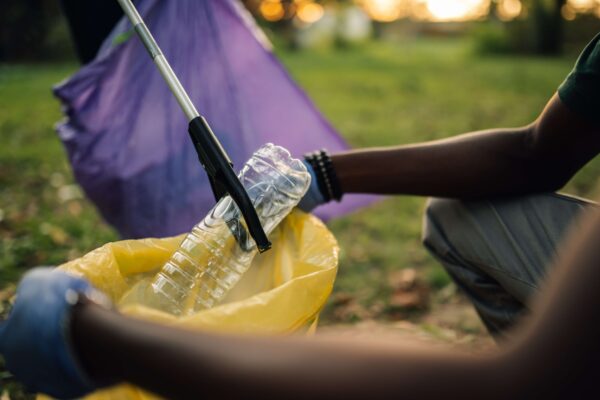
Pliking is an outdoor activity where people walk at a relaxed pace and collect litter found along the route. It takes place in public spaces such as streets, parks, paths, and natural areas. The activity connects slow movement with environmental attention and is often chosen by people who prefer walking instead of running.
Definition and Basic Concept of Pliking
The main concept of pliking is simple and practical. A person walks through an area and stops when waste is visible on the ground. The waste is picked up and carried until it can be disposed of correctly. This process repeats many times during one walk. There is no time limit and no fixed distance.
Plogging is not like fast-moving activity because speed doesn’t matter. The main thing to do is to keep looking around and moving. This makes it possible for people of all ages and body types to be active. If you walk slowly, you’ll be able to see what’s around you and pick up trash more safely.
Difference Between Pliking and Other Cleanup Activities
Pliking stands apart from organized cleanups because it does not require planning or coordination. It also differs from jogging–based cleanup activities due to its slower pace. The walking speed changes how the activity feels and how it fits into daily routines.
Because the movement is slow, participants can notice smaller items that may be missed at higher speeds. Instead of being a separate event, the activity becomes part of walking every day. This integration is one of the most important parts of pliking.
Movement Pattern and Physical Demand
The physical demand of pliking is moderate. Walking is combined with frequent stops and short bending movements. These actions add light physical effort without creating strong fatigue. The body remains active but not stressed.
The walking route may include flat ground, small slopes, or uneven surfaces. Participants adjust their pace naturally. The repeated bending helps you become more aware of your balance and posture. People get into habits that make it easier to move over time.
Common movements during pliking include:
- Steady walking at a comfortable pace
- Bending or squatting to reach litter
- Carrying small amounts of waste for short distances
These movements repeat throughout the walk and shape the activity.
Types of Areas Where Pliking Takes Place
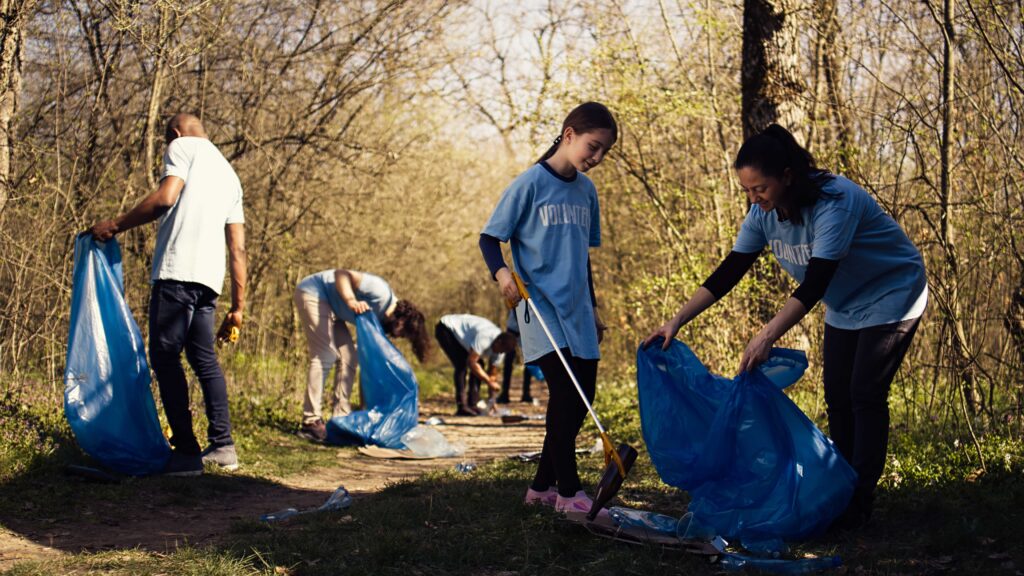
Pliking is practiced in many environments. Urban areas are common because walking routes already exist. Sidewalks, residential streets, and public squares often show visible litter. Natural areas are also used, especially paths and green zones near cities.
The choice of area affects the type of waste collected. In cities, packaging and paper appear often. In parks and forests, bottles and food wrappers are more common. The walking pace allows safe navigation in crowded or narrow spaces.
Waste Handling and Disposal
During pliking, people pick up trash by hand, usually with some kind of protection. Items are placed in bags or containers carried by the participant. The amount collected depends on distance and local conditions.
Disposal happens at public bins or designated waste points. Some participants separate recyclable materials later. The activity itself focuses only on removal from the environment, not on processing.
Safety remains important. Dangerous items are avoided and left in place. The walking pace supports careful decision–making and reduces risk.
Social Aspects and Individual Practice
Pliking can be done alone or with others. Solo practice is common because walking is already part of daily life. Group pliking also exists, especially among neighbors or local communities. These groups remain informal and flexible.
Conversation during group pliking is easy because of the slow pace. People can talk while walking without losing focus. This makes the activity suitable for social interaction without pressure.
Participation remains voluntary. People join or leave walks freely. There are no performance expectations or tracking systems.
Integration Into Daily Life
One of the main strengths of pliking is its integration into normal routines. People can practice it while walking to a shop, school, or workplace. The activity does not require special scheduling.
This integration makes it easier for people to get involved. People already walk every day, so adding trash collecting doesn’t change their habits very much. People get more aware over time, and things start to happen on their own.
Environmental Effect at Local Level
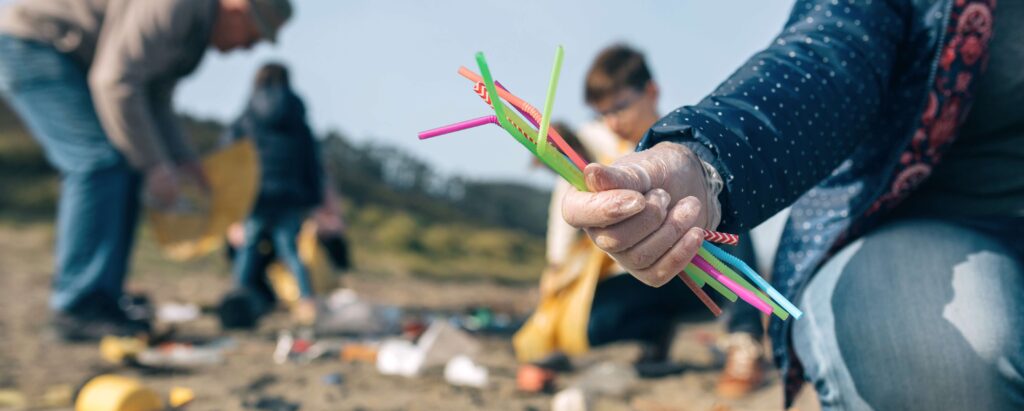
Pliking has a local and visible effect on the environment. Removing litter improves the cleanliness of shared spaces. When repeated often, walking routes become noticeably cleaner.
The activity also changes perception. Participants start noticing waste more quickly. This awareness may influence personal behavior related to disposal and consumption.
The effect remains practical rather than symbolic. Pliking focuses on direct action without messaging or promotion.
Informational Character of Pliking
Pliking remains an informational and practical activity. It does not involve services, products, or organized programs. Descriptions focus on what happens during the walk and how people interact with space.
This neutral structure allows adaptation. Different regions apply the same idea in their own way. The walking pace supports this flexibility.
Comments are closed