
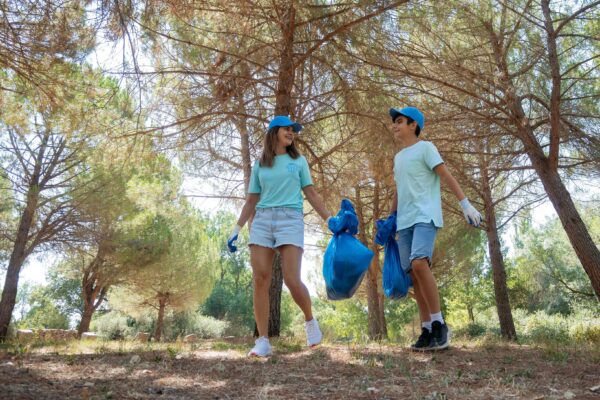
Plogging is a simple outdoor activity where people walk or run and pick up trash at the same time. It usually happens in cities, parks, or natural areas. It involves people or small groups, simple gear, public spaces, and moving around a lot. The activity started as a local project and then spread around the world because it makes a direct and visible connection between exercise and caring for the environment.
What Is Plogging, and Where Does the Term Come From
The word “plogging” comes from the combination of “jogging” and the Swedish phrase “plocka upp,” which means “to pick up.” In Sweden in the middle of the 2010s, runners started picking up trash while they were training outside. The idea was useful, not just a symbol, because there was already trash along the running routes.
Over time, plogging became known outside Scandinavia. People adopted the practice in cities, coastal zones, and rural areas. The activity does not require formal rules or institutions. Anyone can take part alone or with others, and sessions can last from a few minutes to several hours. The core action stays the same–moving through space while removing waste found on the ground.
How Plogging Is Practiced in Different Environments
You can plog anywhere. People who live in cities often pick up plastic bags, paper, and small metal items that are on the sidewalks or near bus and train stops. People leave behind things like bottles, fishing lines, and food wrappers in nature, which is trash.
The speed of movement changes all the time. A person can jog for a few minutes, stop to pick up trash, and then keep walking. This uneven rhythm is a key part of the activity. This means that plogging doesn’t follow the usual patterns of endurance training. It has short bursts of movement followed by long breaks.
Common environments for plogging include:
- Urban streets and residential neighborhoods
- Parks, forests, beaches, and riverbanks
- School areas, stadium surroundings, and public paths
Each setting creates different physical demands and safety considerations. Most people use gloves and bags, but some make do with what they have.
Physical Actions Involved During Plogging
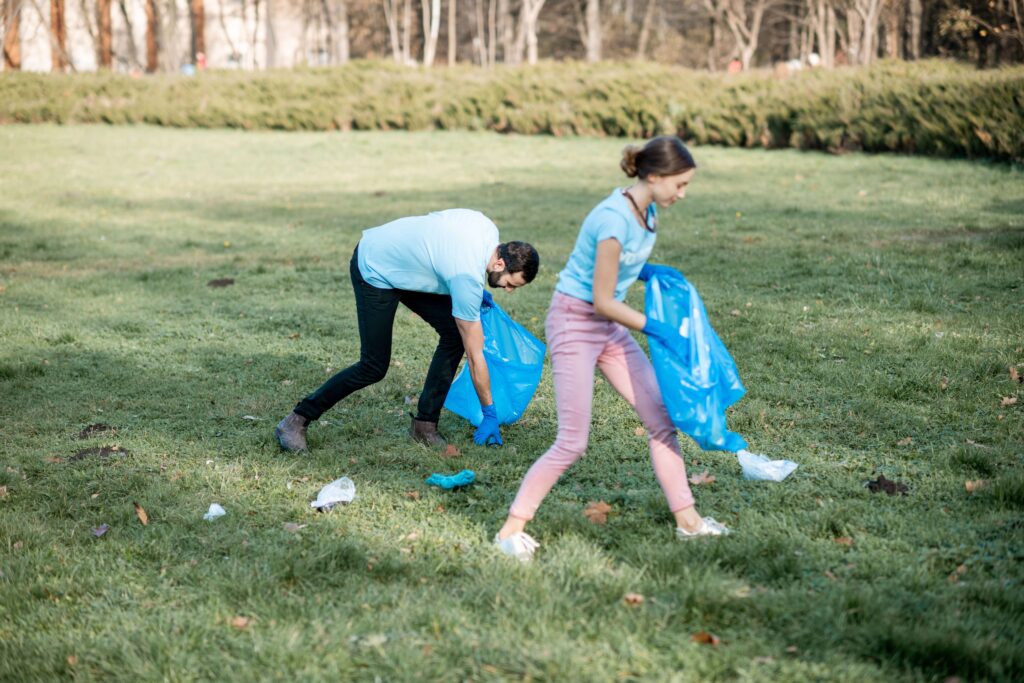
Plogging involves more movements than jogging. People who take part bend, squat, reach, and sometimes carry trash they collect for long distances. These actions make the activity more useful and change how the body is used when working out.
You need to pay attention to your posture when you bend and lift things over and over. People often change how they do things to avoid strain, especially when they are working out for a long time. You can control the intensity of the activity by changing the speed, distance, and amount of material you collect. This keeps it accessible.
Typical physical actions include:
- Jogging or brisk walking between litter spots
- Squatting or bending to reach items on the ground
- Carrying bags or containers until disposal points
These movements vary depending on terrain and type of waste. The focus stays on steady progress rather than performance metrics.
Social and Community Aspects of Plogging
You can do plogging by yourself, but most people like to do it in groups. Community plogging encourages people to get to know each other and take care of public spaces together. Groups often get together on a regular basis and follow the same paths each time.
These meetings are still open and not for profit. There is no set structure that needs to be followed. People can talk to each other by making local announcements or sending personal invitations. The ease of organization makes it easier for people to join.
Plogging groups often stress being open to everyone. Age, fitness level, and experience don’t keep people from getting involved. This openness encourages people to keep coming back for a long time.
Why Plogging Is Considered a Hybrid Activity
Plogging is a mix of sports, environmental action, and everyday life. It doesn’t fit perfectly into one category. Because it is a mix of different things, it can be found in a wide range of situations, from casual walks to planned outdoor days.
The activity is not meant to be competitive or set records. It is valuable because of small actions that happen over and over again while moving. Because of this, plogging can be done in everyday life, without needing much preparation or special gear.
Plogging is still changing as a sport because people are making changes to fit their own needs. The basic structure stays the same, but the settings and methods can be very different. This adaptability makes the practice useful in many places and cultures.
Simple Rules and Common Practice
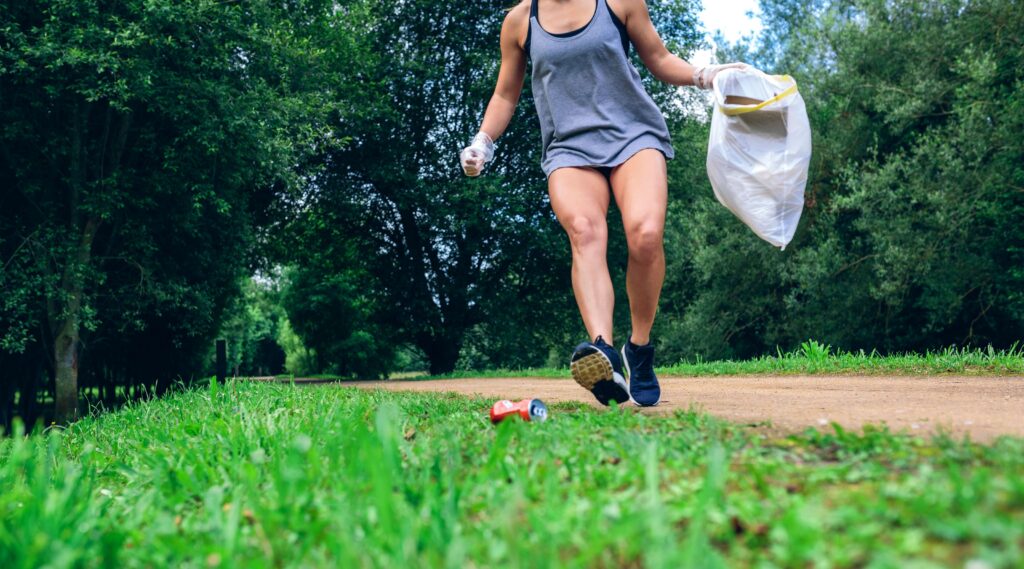
Plogging usually follows a small set of informal rules. These rules help activities stay safe and work well. These rules are not written or enforced, but many participants follow similar patterns. People normally avoid sharp, chemical, or medical waste because such items can cause injury. When unsafe objects are found, they are left in place and reported to local services if possible. Gloves are often used, even basic ones, to reduce direct contact with litter.
Another common rule is respect for the environment and other people. Ploggers do not enter private property and do not disturb wildlife while collecting waste. The movement stays calm and controlled especially in shared public places. The litter collected is carried until a good place to throw it is found, like a public bin or recycling area.
Plogging also follows a simple ethical idea. The activity is done quietly, without pressure on others, and without turning the process into a performance. The focus stays on movement and cleanup together.
Comments are closed