
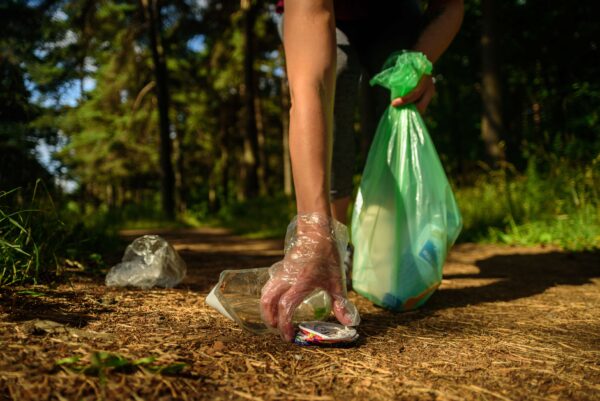
Plogging is an outdoor activity where body movement and trash collecting happen together at the same time and place. People walk around in parks, beaches, streets, and other natural areas and pick up trash they find. This activity combines doing things every day with taking care of the environment. People can do plogging alone or with a group; there is no need for formal organization.
Definition and Core Idea of Plogging
The main idea of plogging is simple. A person walks, jogs, or runs and stops when litter is seen on the ground. The waste is collected and carried until it can be placed in a suitable disposal point. This action repeats many times during one session. The activity does not focus on speed, distance, or performance results. The focus stays on movement and cleanup happening together.
Plogging can take place in many locations. Urban areas are common because litter is often visible along roads and sidewalks. Natural areas are also used, especially places that receive visitors. The activity fits into daily routines because it does not require special preparation or equipment beyond basic protection.
Physical Movement and Body Use During Plogging
Movement during plogging is irregular compared to traditional running or walking. The person alternates between steady motion and frequent stops. Each stop includes bending, squatting, or reaching to collect items. This pattern changes how muscles are used and how the body responds to effort.
The pace is self–controlled. Some people move slowly and focus on careful collection. Others move faster and stop only when larger waste is visible. The body position changes often, which increases attention to balance and posture. Over time, participants adapt their movement style to reduce discomfort.
Typical movements seen during plogging include:
- Walking or jogging between places where you can see trash
- Bending or squatting down to get things off the ground
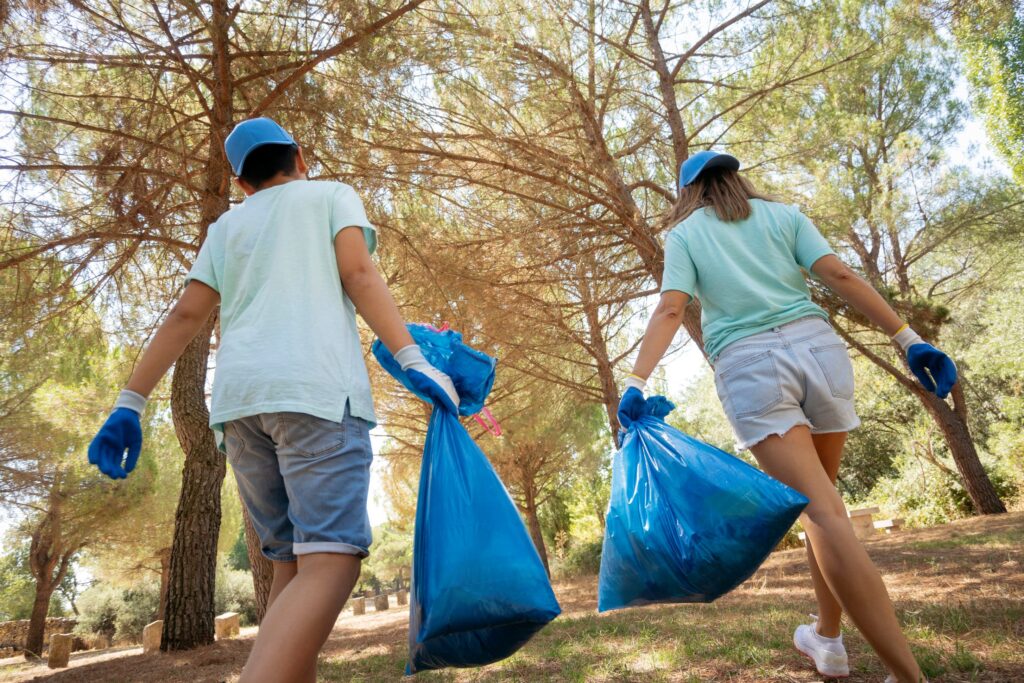
- Carrying things you picked up for part of the way
These actions repeat many times and create a mixed physical load.
Types of Waste Commonly Collected
The type of waste collected in plogging depends on the place and people’s activity there. In cities, packaging materials appear most often. In natural areas, waste left by visitors is more common. The size and condition of waste also vary.
Participants usually focus on items that can be safely handled. Very large or dangerous objects are avoided. The collected waste is often sorted later, depending on local disposal systems. The activity itself does not include processing waste beyond removal from the environment.
Social Structure and Participation
Plogging does not require membership or registration. Participation is open and informal. Some people practice it alone as part of personal routines. Others prefer group activities, where several people follow the same route together. Group sessions often develop regular schedules, but they remain flexible.
Communication inside plogging groups is usually minimal. The activity allows conversation, but silence is also common. The shared goal reduces the need for coordination. People join and leave sessions freely without obligation.
Environmental Role in Public Spaces
Plogging has a visible effect on public spaces. By removing litter, participants improve the appearance of streets, paths, and natural areas. The effect is local and small, but doing it many times makes visible change. This activity helps existing cleaning systems but does not replace them.
Another effect is awareness. People who observe plogging may notice waste more clearly afterward. This indirect influence is part of how the activity spreads. Visibility plays a role, even when no explanation is given.
Equipment and Safety Considerations
Plogging requires minimal equipment. Gloves are often used to protect hands. Bags or small containers used to carry collected trash. Clothing is chosen based on weather and movement comfort rather than appearance.
Safety is an important consideration. Participants avoid sharp objects, chemical containers, or medical waste. When such items are found, they are left untouched. Awareness of surroundings is necessary, especially in traffic areas or uneven terrain.
Common safety practices include:
- Putting on gloves to keep from touching things directly
- Staying away from materials that are unsafe or unknown
- Being aware of traffic and the state of the ground
These practices help keep the activity accessible and low risk.
Routine Formation and Long–Term Practice
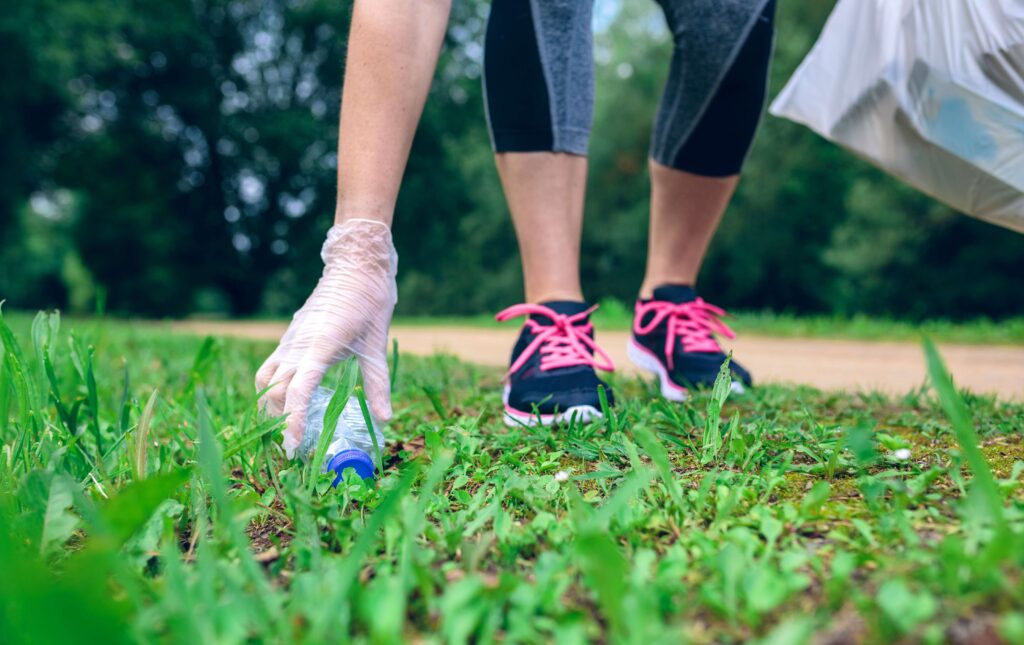
Many people make plogging part of their daily life. It can replace or change normal walks or runs. This activity can fit different lifestyles because there is no need for a strict schedule. Some participants plog weekly; others only when conditions allow.
Over time, familiarity with routes increases efficiency. Participants learn where waste often appears and adjust movement accordingly. This technique creates a sense of continuity without formal planning.
Informational and Non–Commercial Nature
Plogging remains noncommercial in its structure. The activity does not promote products or services. Its informational description focuses on what people do and how the activity functions in real spaces. This keeps the practice open and adaptable.
The lack of competition or performance goals supports long–term participation. People engage based on personal motivation rather than external pressure. This characteristic separates plogging from organized sports.
Cultural Adaptation and Local Variation
Plogging adapts to local culture and environment. In some regions, it is linked to community walks. In others, it appears as part of individual fitness habits. Climate, urban design, and public behavior influence how the activity looks in practice.
Despite variation, the core structure stays stable. Movement and cleanup remain connected. This consistency allows the activity to be recognized across different settings without formal definition.
Comments are closed